Source Washing Machine Drain Epdm Hose for Home, Commercial, and DIY Use
Find 30 washing machine drain epdm hose options from Chinese manufacturers. Compare EPDM and PVC materials, customized lengths, and durable designs for home, commercial laundry, and household washing applications; compare the available evidence and request quotations based on your requirements.
Key considerations
Products List


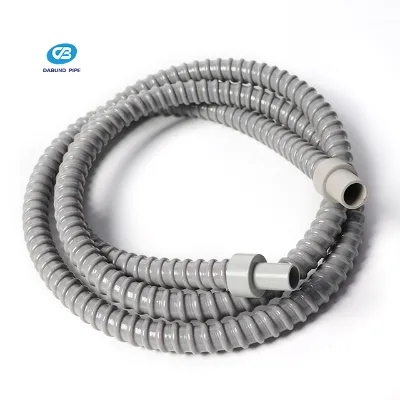


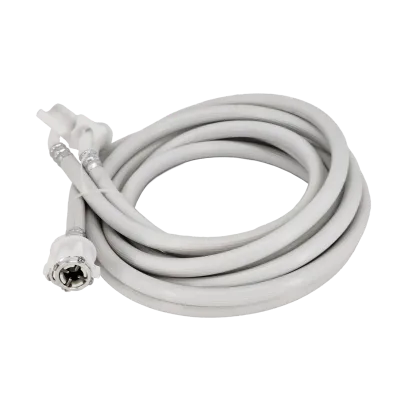
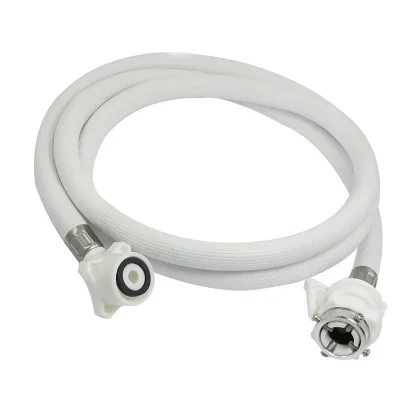
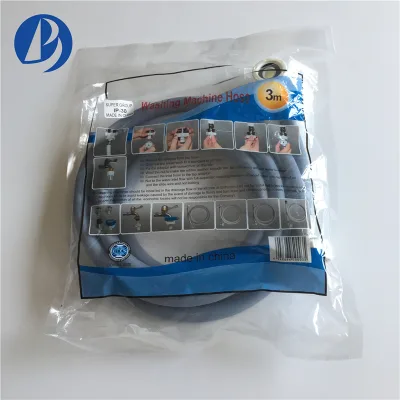


Comprehensive Sourcing Guide
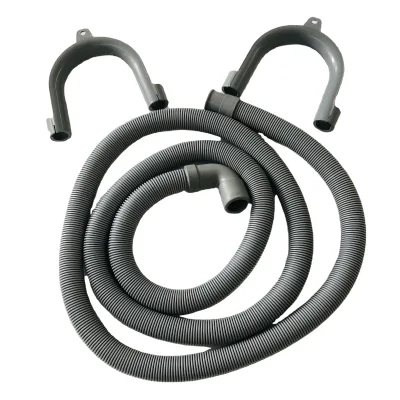
Washing Machine Drain EPDM Hose Sourcing Guide
Procuring washing machine drain hoses requires distinguishing between material grades, as EPDM rubber offers superior heat and ozone resistance compared to standard PVC or plastic alternatives often found in general listings. Buyers must verify that the specific product listing explicitly confirms EPDM composition, as many generic drain hoses utilize cheaper plastics that may degrade under hot water conditions or over extended mechanical stress. The observed market data indicates a mix of materials, including PVC and plastic, alongside the target EPDM specification, necessitating rigorous attribute filtering to ensure the selected hose meets the thermal demands of commercial laundry or high-temperature household cycles.
Beyond material composition, the application context dictates the necessary durability and flexibility of the hose. While some listings target home use with simple DIY installation, others serve commercial laundry operations requiring higher flow rates and robust construction. The presence of "Overseas Call Centers" for after-sales service suggests a supply chain capable of supporting international B2B clients, yet the buyer must confirm that the specific EPDM variant supports the intended load. Ensuring the hose is rated for the specific operating environment prevents premature failure and reduces the risk of water damage in critical washing machine setups.
Product Scope and Observed Listing Signals
The current market landscape for washing machine drain hoses presents a fragmented array of specifications, with observed models ranging from universal fit options to customized dimensions like 100mm or 300mm lengths. Listings frequently display varying packaging standards, from single-item units to bulk sets of 500 or 2000 pieces, which directly impacts the unit economics for large-scale procurement. Buyers should note that while some products advertise "Customized Packaging," others rely on standard corrugated boxes, and the choice of packaging can influence logistics costs and on-site storage efficiency for facility managers.
Price signals in the observed range of $0.19 to $10.50 reflect significant variance in quality, material thickness, and order volume. The lower end of this spectrum often correlates with basic PVC or plastic constructions, whereas the higher price points may correspond to specialized EPDM rubber hoses with enhanced durability features. The Minimum Order Quantity (MOQ) also fluctuates between 100 and 2000 units, with some suppliers setting a baseline of 1000 meters or 1000 pieces. Procurement teams must align their order volume with these thresholds to secure the most favorable pricing tiers while avoiding the inefficiencies of splitting orders across multiple suppliers with conflicting MOQ requirements.
Technical Specifications to Verify
Material integrity is the primary technical differentiator, with the target EPDM hose offering distinct advantages over the PVC and plastic options frequently listed in the same category. Buyers must explicitly verify the material attribute in the product data sheet, as the presence of "EPDM" confirms resistance to aging, ozone, and temperature extremes that standard plastic hoses cannot withstand. The observed thickness of 2.0 mm serves as a benchmark for structural rigidity, but this specification may vary across different models, requiring direct confirmation that the selected hose meets the mechanical stress requirements of the specific washing machine application.
Dimensional compatibility and installation requirements are equally critical for ensuring a seamless integration into existing laundry infrastructure. The market offers both "Standard Size" and "Customized Length" options, with specific models like HRELT08 or WPSG-BC100 indicating unique design parameters. Verification of the "Universal" compatible models is essential for general replacements, while custom length specifications are necessary for specialized commercial installations. Additionally, the "DIY Installation" feature suggests user-friendly design, but the buyer must confirm that the hose's flexibility and connector types align with the specific machine ports to prevent leaks during operation.
Compliance and Safety Documentation
While the provided data does not list specific international certifications, the requirement for "High" and "Good" quality attributes implies a baseline of manufacturing consistency that should be backed by formal documentation. Buyers should request proof of material safety compliance, particularly regarding the leaching of chemicals from the hose into wastewater, which is a critical concern for environmental regulations in commercial and residential sectors. The absence of explicit certification data in the listing necessitates a proactive inquiry to the supplier to ensure the EPDM rubber meets relevant health and safety standards for potable water or general drainage applications.
Warranty terms serve as a tangible indicator of the supplier's confidence in their product's longevity and performance. The observed "1 Year" warranty provides a baseline expectation for product reliability, yet the scope of this coverage must be clearly defined in the procurement contract. Buyers should verify whether the warranty covers material defects, manufacturing flaws, or premature failure due to improper installation. Furthermore, the availability of "Overseas Call Centers" suggests a support structure that can assist with warranty claims, but the specific procedures for filing claims and the response times should be documented to ensure effective after-sales management.
Cost Drivers and Commercial Terms
The total cost of ownership for washing machine drain hoses is influenced heavily by the Minimum Order Quantity and the specific material composition selected. The observed MOQ range of 100 to 2000 units creates a barrier to entry for small buyers, while larger orders can leverage economies of scale to reduce the per-unit cost significantly. The variation in selling units, from single items to bulk sets, allows for flexible purchasing strategies, but buyers must calculate the total landed cost, including shipping and handling, to determine the true economic viability of the order.
Packaging and logistics represent another significant cost driver, with options ranging from simple carton boxes to customized packaging solutions. The choice between "Carton Package" and "Corrugated Box" can impact the efficiency of storage and the protection of the hoses during transit. Suppliers offering "Customized Packaging" may charge a premium, but this can be justified if it reduces damage rates or optimizes warehouse space. Additionally, the origin of the product, whether from Anhui, Jiangsu, or Ningbo, China, can influence shipping times and freight costs, requiring buyers to factor these logistical variables into their overall budget planning.
Supplier Qualification and Quality Control
Supplier qualification extends beyond the basic listing of a brand name like "DABUND" to include an assessment of their manufacturing capabilities and quality assurance processes. The presence of multiple product models and standardized sizes suggests a mature production line, but buyers must verify the supplier's ability to maintain consistent quality across different batches. The observation of "Customized Size" and "Customized Length" capabilities indicates flexibility, yet this customization must not compromise the structural integrity or material consistency of the EPDM hose.
Quality control protocols should be a central component of the supplier evaluation, focusing on the consistency of material thickness and the durability of the final product. The listed attributes of "Durable" and "High" quality are subjective claims that require validation through third-party testing or on-site audits. Buyers should inquire about the supplier's internal testing procedures for tensile strength, flexibility, and resistance to environmental factors. Establishing a clear quality control framework ensures that the delivered hoses meet the rigorous demands of commercial laundry operations and household use without unexpected failures.
Long-Term Procurement Checks
Sustaining a reliable supply chain for washing machine drain hoses requires regular performance reviews and continuous monitoring of product consistency over time. Buyers should establish a schedule for periodic quality checks to ensure that the EPDM material continues to meet the specified durability and resistance standards. The "1 Year" warranty period provides a window for initial performance assessment, but long-term success depends on the hose's ability to withstand repeated cycles of use without degradation. Regular feedback loops with the supplier can help identify and address any emerging quality issues before they impact operations.
Strategic planning for future procurement should account for potential changes in material availability and market pricing trends. The observed price range and MOQ flexibility suggest a dynamic market, but buyers must remain vigilant regarding supply chain disruptions that could affect the availability of EPDM rubber. Developing a relationship with suppliers who offer "Customized Packaging" and "Overseas Call Centers" can provide a competitive advantage in managing inventory and responding to urgent replacement needs. By maintaining a proactive approach to supplier management, buyers can ensure a steady supply of high-quality drain hoses that support the long-term efficiency of their laundry facilities.
FAQs
What materials are used for washing machine drain hoses?
Washing machine drain hoses are typically manufactured from EPDM or PVC materials. EPDM offers superior durability and flexibility for home applications, while PVC provides a cost-effective alternative. Some products also utilize general plastic compositions. These materials ensure the hose remains resistant to wear and tear during regular household washing machine operations.
Can I customize the length of the drain hose?
Yes, customized lengths are available for these drain hoses. Standard options include 100mm or 300mm, but buyers can request specific dimensions to fit their setup. This customization ensures a proper fit for various washing machine models. The product supports tailored sizing to meet specific installation requirements for both home and commercial laundry environments.
What is the minimum order quantity for these hoses?
The minimum order quantity is generally 1000 meters or 1000 pieces, depending on the specific supplier and product model. Some listings indicate an MOQ range of 100 to 2000 units. Buyers should verify the exact MOQ with the manufacturer, as it varies based on packaging types and whether the order requires customized packaging solutions.
Which brands offer washing machine drain hoses with overseas support?
Brands such as DABUND provide washing machine drain hoses with comprehensive after-sales service. This includes access to overseas call centers to assist buyers with technical queries. The brand ensures that customers receive support in English, facilitating smooth communication. This service level is particularly valuable for international buyers requiring reliable assistance post-purchase.
How are the hoses packaged for shipping?
The hoses are packaged in carton boxes or corrugated boxes to ensure safe transit. Customized packaging options are also available to meet specific buyer requirements. The standard packaging protects the durable EPDM or PVC material from damage. This method is suitable for bulk orders, with some sets containing 300 to 2000 pieces per standard package configuration.
Where are these washing machine hoses manufactured?
These hoses are manufactured in China, with origins in provinces such as Anhui, Jiangsu, and Ningbo. The production facilities are located in these key industrial regions. Buyers can expect products originating from these areas, which are known for their manufacturing capabilities. The specific origin may vary depending on the supplier and the model of the hose ordered.